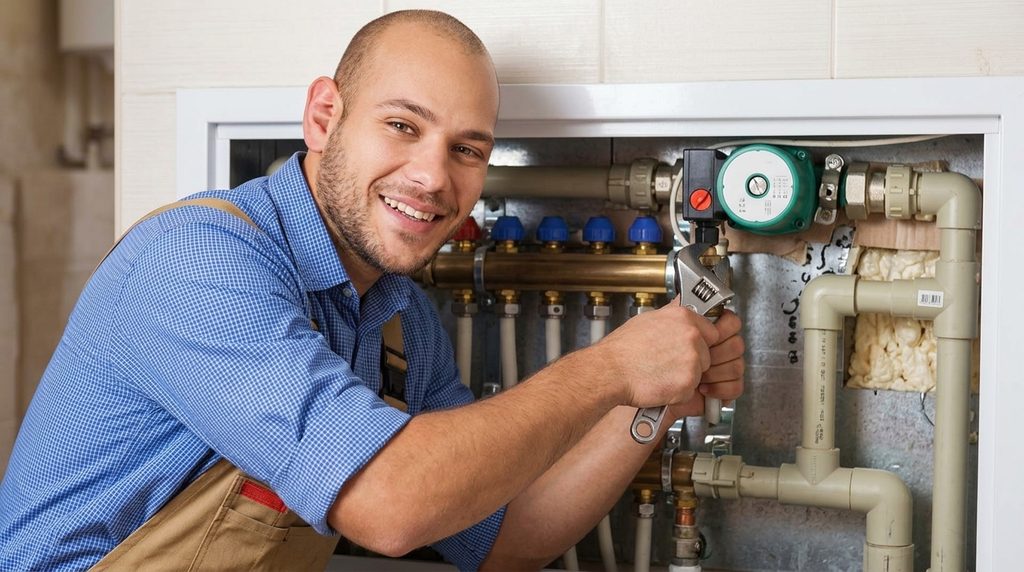

Plumbing problems have a way of showing up at the worst possible moment—a dripping faucet the night before guests arrive, or a slow drain that turns into a full clog on a busy morning. The good news is that many of the most common issues are surprisingly easy to handle yourself with a few basic tools and the right approach. Below are sixteen practical tips to help you fix and repair everyday plumbing problems before they turn into costly emergencies.
Start With the Basics Before You Panic
Before you reach for a wrench, take a moment to understand what you’re dealing with. Rushing into a repair without diagnosing the problem often makes things worse.
1. Know where your main shut-off valve is. This is the single most important thing every homeowner should know. If a pipe bursts or a fixture overflows, shutting off the main water supply immediately can save you thousands in water damage. Locate it now, before you ever need it.
2. Keep a basic plumbing toolkit ready. A good starter kit includes an adjustable wrench, a plunger, plumber’s tape (Teflon tape), a pipe wrench, a hand auger, and a bucket. Having these on hand means you can respond to small problems right away.
3. Turn off the water before any repair. Whether it’s a single fixture valve under the sink or the main supply, always cut the water before you disassemble anything. This simple step prevents flooding and messy surprises.
Fixing Leaks and Drips
Leaks are the most common plumbing complaint, and they waste an astonishing amount of water over time.
4. Tackle a dripping faucet early. A steady drip usually means a worn washer, O-ring, or cartridge. These parts are inexpensive and easy to swap out once you’ve turned off the water and taken the faucet apart.
5. Wrap threaded connections with plumber’s tape. When reassembling pipe joints, wrap the threads two or three times with Teflon tape. This creates a tight seal and prevents slow leaks at the connections.
6. Check for leaks under sinks regularly. Many leaks start small and hide inside cabinets. Run your hand along pipes and joints once a month to catch dampness before it damages the surrounding wood.
7. Don’t over-tighten fittings. It’s tempting to crank down as hard as you can, but over-tightening can crack fittings or strip threads. Snug and secure is enough.
Clearing Clogs and Blockages
8. Reach for a plunger first. For sinks, toilets, and tubs, a good plunger solves most clogs. Make sure you have a tight seal and use firm, consistent pressure rather than wild jabs.
9. Use a hand auger for stubborn clogs. When plunging fails, a drain snake (auger) can reach deeper blockages that a plunger can’t budge.
10. Avoid chemical drain cleaners when possible. Harsh chemicals can corrode older pipes and are hard on the environment. A mixture of baking soda and vinegar followed by hot water is a gentler first attempt.
11. Prevent clogs before they form. Use drain strainers to catch hair and food scraps, and never pour grease down the kitchen sink—it solidifies and builds up over time.
Handling Pressure and Running Water Issues
12. Fix a running toilet quickly. A toilet that keeps running usually has a faulty flapper or fill valve. Both are cheap, easy-to-replace parts that stop water waste immediately.
13. Address low water pressure at the source. Low pressure is often caused by clogged aerators on faucets or mineral buildup in the showerhead. Unscrew them and soak them in vinegar to dissolve deposits.
14. Insulate exposed pipes in cold weather. Frozen pipes can crack and burst. Wrapping exposed pipes with foam insulation is a small investment that prevents a major disaster.
Know Your Limits
15. Recognize when to call a professional. Some jobs—like main line blockages, sewer issues, or anything involving gas lines—should always go to a licensed plumber. Attempting these yourself can be dangerous and may violate local codes.
16. Keep a plumber’s number handy. Even the handiest homeowner runs into problems beyond a quick fix. Having a trusted, licensed plumber ready to call saves time and stress during an emergency.
Final Thoughts
Most everyday plumbing problems come down to a worn part, a loose connection, or a simple clog—all of which you can handle with a little patience and the right tools. By learning these sixteen tips, you’ll save money, avoid water damage, and gain the confidence to keep your home’s plumbing running smoothly. Just remember the golden rule: when in doubt, shut off the water and call a professional.