
Few household problems are as annoying as the steady drip of a leaking kitchen pipe. Beyond the irritating sound, a leak can quietly cause serious damage—rotting cabinets, mold growth, and a water bill that keeps rising. Fortunately, fixing a leaking kitchen pipe is often easier than people expect. With a few practical tips and a bit of patience, you can find the source, stop the leak, and keep it from coming back. Here’s what every homeowner should know.
Understand Why Kitchen Pipes Leak
Knowing the common causes helps you diagnose the problem faster. Kitchen pipes typically leak because of loose connections that loosen over time, worn-out washers and gaskets, corrosion in older metal pipes, high water pressure that stresses the joints, or clogs that create backups and force water out of weak points. Once you understand what causes leaks, you can spot the warning signs early and act before real damage sets in.
Tip 1: Find the Leak Before You Fix It
The first and most important step is locating the exact source. Empty the cabinet under your sink, dry everything thoroughly, and then run the water while watching for the first sign of moisture. Pay close attention to the P-trap, the slip-nut connections, the supply lines, and the drain flange. Wiping suspect areas with a dry paper towel makes it easy to see where water reappears first.
Tip 2: Always Shut Off the Water First
Never start a repair with the water still running to the pipes. Turn the shut-off valves under the sink clockwise, or shut off the main supply if there are no local valves. Open the faucet to relieve pressure and drain the remaining water. This simple habit prevents a small repair from turning into a flooded kitchen.
Tip 3: Tighten Before You Replace
Many leaks come from nothing more than a loose connection. Before assuming you need new parts, try gently tightening the slip nuts and fittings with an adjustable wrench. Go slowly and avoid over-tightening plastic parts, which crack easily. Often, a quarter-turn is all it takes to stop a minor drip.
Tip 4: Replace Worn Washers and Seals
If tightening doesn’t do the trick, the rubber washers or gaskets are likely worn. Take the joint apart, remove the old seal, and match it with a new one from the hardware store. These parts cost just a few cents and solve a huge share of common leaks.
Tip 5: Use Plumber’s Tape on Threaded Connections
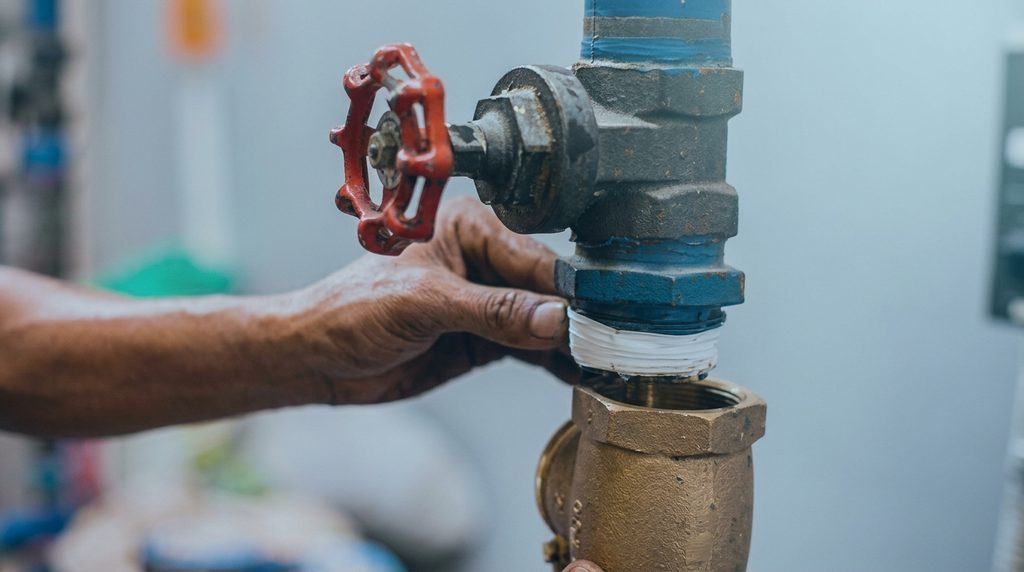
Plumber’s tape (also called Teflon tape) is a cheap, reliable way to seal threaded joints. Wrap it clockwise around the threads two or three times before reconnecting. This creates a snug, watertight seal that stops slow leaks at the connection points.
Tip 6: Know Your Temporary Fixes
When you can’t do a full repair right away, temporary solutions buy you time. Waterproof repair tape, self-fusing silicone tape, epoxy putty, and pipe repair clamps can all stop a leak in an emergency. Just remember these are short-term fixes—schedule a proper repair as soon as you can.
Tip 7: Replace Corroded or Cracked Pipes
If a pipe is visibly corroded, cracked, or crumbling, tightening and taping won’t help. The section needs to be replaced. P-traps and flexible supply lines are inexpensive and easy to swap—just bring the old part to the store to match the size and fittings.
Tip 8: Prevent Future Leaks
The best repair is the one you never have to make. Protect your kitchen plumbing by checking connections every few months, avoiding harsh chemical drain cleaners that corrode pipes, keeping drains clear of grease and food debris, and watching your water pressure so it doesn’t stress the joints. A little regular maintenance goes a long way toward keeping your pipes leak-free.
Tip 9: Test the Repair Thoroughly
After finishing any repair, turn the water back on slowly and inspect every connection. Run the water for several minutes, then check with a dry paper towel. Monitor the area for a day or two to be sure the fix is holding before you call it done.
Tip 10: Recognize When to Call a Pro
Most kitchen pipe leaks are manageable on your own, but some are not. If you see signs of leaks inside the wall, repeated failures after repairs, widespread corrosion, or any hint of a main line problem, call a licensed plumber. Knowing your limits protects both your home and your wallet.
Final Thoughts
A leaking kitchen pipe may feel like a big headache, but with these practical tips you can handle most leaks quickly and confidently. Find the source, shut off the water, tighten or replace the faulty part, and take a few preventive steps to stop leaks before they start. With a little know-how and the right approach, you’ll keep your kitchen dry and your plumbing in great shape for years to come.